Get to know our brands





Get to know our brands

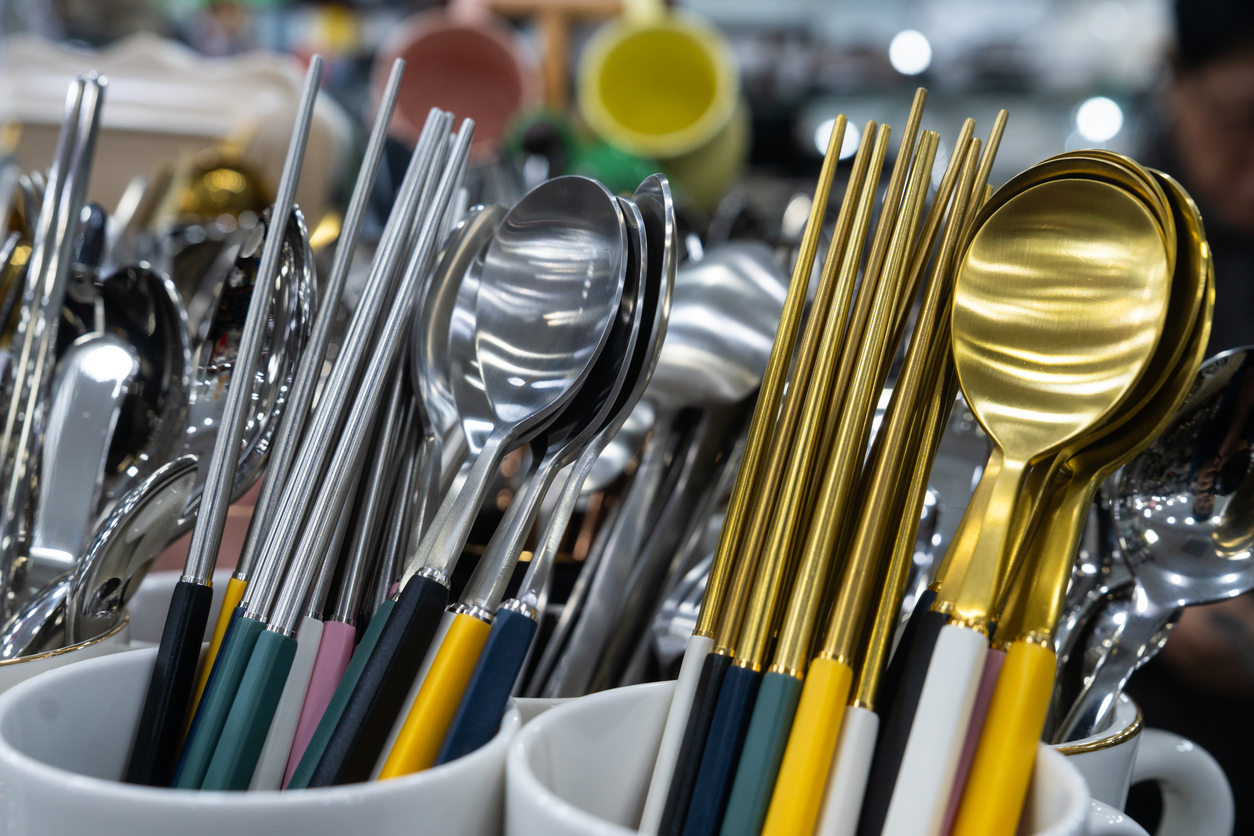
Cutlery, prep tools, serve ware, and more, smallwares play a critical role in restaurant operations. These supplies may be small in size, but they can make a big portion of your spend, especially across multiple locations.

The decisions you make around purchasing smallwares can have effects not just on your short-term budget, but your long-term operations. Taking a more strategic approach to smallwares purchasing can create meaningful savings while supporting consistency across the business.
When buying smallwares, it’s important to look beyond upfront cost. Choosing the lowest-cost option may appear budget-friendly, but low-quality smallwares can create larger operational expenses over time.
One of the most immediate issues is replacement frequency. Products that lack the durability needed for a busy foodservice environment wear out faster, break more easily, and require more frequent repurchasing. Over time, those repeated purchases can exceed the cost of investing in higher-quality products from the start.
Beyond replacement costs, low-quality smallwares can also impact the guest experience. Diners notice details. Worn serving pieces, damaged cutlery, or inconsistent tabletop presentation can negatively affect how guests perceive a brand and the quality of the dining experience.
In the kitchen, unreliable smallwares can create operational inefficiencies as well. Products that fail under heavy use or require constant replacement can slow workflows, frustrate staff, and disrupt day-to-day operations. When tools do not perform consistently, teams are forced to adapt processes instead of focusing on execution.

For restaurant groups operating across multiple locations, consistency in smallwares purchasing is a sometimes-overlooked hack for efficiency.
From a purchasing standpoint, standardizing products across locations simplifies sourcing and can improve cost efficiency. Purchasing on a broader scale often creates opportunities for more streamlined distribution and stronger pricing structures. The more buying power you have, the better prepared you are for program negotiations.
Operationally, using the same products across locations helps standardize processes. While your whisks, spatulas, and other kitchen tools may seem minor, if one location is missing a certain item, it can throw off the flow of prep. Consistency can simplify training, support compliance, and reduce operational variability between locations.
There is also a brand benefit to consistency. Guests expect a cohesive experience regardless of location. Consistent cutlery, serving piece, and tabletop presentation helps reinforce brand standards across your entire portfolio.
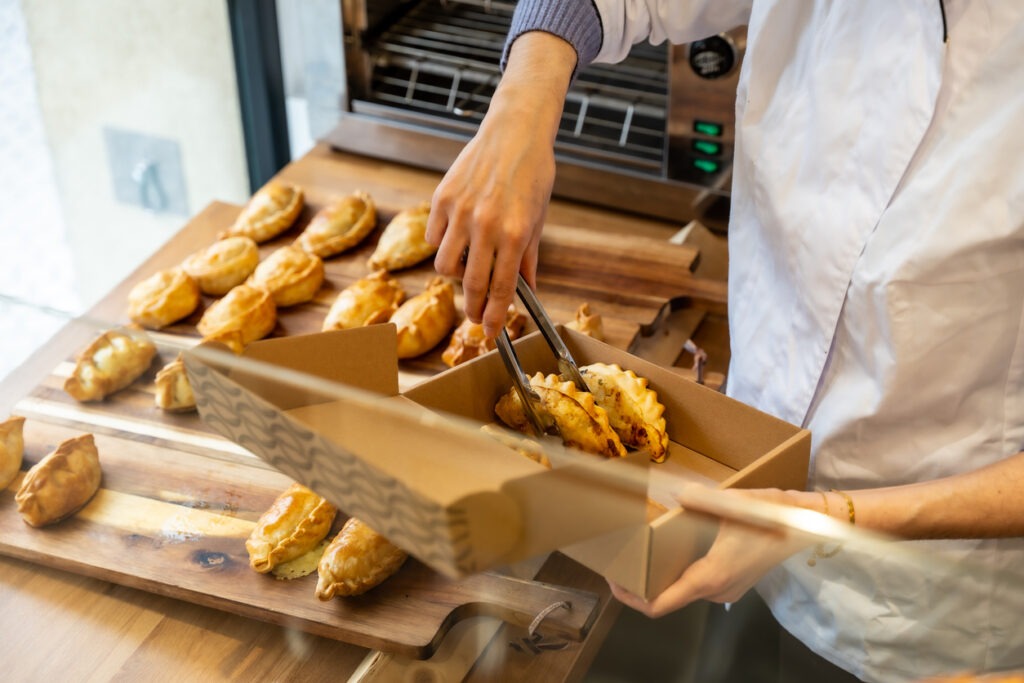
Effective smallwares purchasing is not about choosing the most expensive option available. It is about balancing cost with operational performance and long-term value.
One way operators can approach this is by prioritizing key items. Products that are highly visible to guests or heavily used in back-of-house operations may warrant a greater investment in durability and quality.
Application also matters. Operators should evaluate whether an item
Understanding how and where products are used can help determine where performance matters most.
Working with purchasing experts can also help restaurants make more informed decisions. Foodbuy Foodservice’s category managers work closely with operators to identify sourcing strategies that align with operational needs, budget considerations, and long-term business goals.
As restaurants continue focusing on cost control, compliance, and operational efficiency, smarter smallwares purchasing can play an important role in reducing expenses while supporting a stronger guest experience.