Get to know our brands





Get to know our brands


Analysis shows that 2026 foodservice health trends include functional drinks, gut-friendly foods, protein-forward meals, clean labels, local sourcing, and healthier comfort foods. Guests want nourishing choices, but operators still need items that work with sourcing, prep, pricing, labor, and service models. That’s why the strongest healthy food trends for foodservice balance wellness, flavor, cost, and execution.
Wellness is showing up across the full menu, from beverages and bowls to sourcing, transparency, and comfort foods.
| Healthy foodservice trends | Why it matters | How to apply it |
| Functional beverages | Guests want drinks tied to hydration, energy, digestion, or lower alcohol consumption. | Add kombucha, matcha, herbal iced tea, low-sugar energy drinks, or zero-proof spritzes. |
| Gut-friendly ingredients | Fermented and fiber-rich ingredients add wellness cues, flavor, and texture. | Use kimchi, pickled vegetables, miso dressings, yogurt sauces, beans, lentils, oats, or whole grains. |
| Protein-forward meals | Protein helps healthier options feel filling, satisfying, and worth the price. | Build bowls, salads, wraps, or noodle dishes with chicken, eggs, seafood, tofu, beans, or lean meats. |
| Fiber-forward foods | Guests are increasingly looking for fiber-rich options that support fullness, digestive health, and overall wellness. | Add beans, lentils, chickpeas, whole grains, vegetables, fruit, seeds, and other fiber-rich ingredients to bowls, salads, sides, snacks, and breakfast offerings. |
| Healthier comfort foods | Guests still want familiar meals, but many want fresher or more balanced options. | Offer grilled proteins, vegetable-forward sides, lighter sauces, smaller portions, or customizable bowls. |
| Clean-label and transparent menus | Clear ingredient and allergen details help guests make faster decisions. | Add menu icons, ingredient callouts, allergen notes, and plain descriptions for sauces and dressings. |
| Local and regional sourcing | Local products can support freshness, seasonal variety, and menu storytelling. | Feature seasonal produce, regional seafood, local bakery items, or limited-time local specials. |
| Cross-functional ingredients | Ingredients used across multiple items can reduce waste and control complexity. | Use roasted vegetables, greens, yogurt, grains, proteins, or tea bases across dayparts and menu sections. |
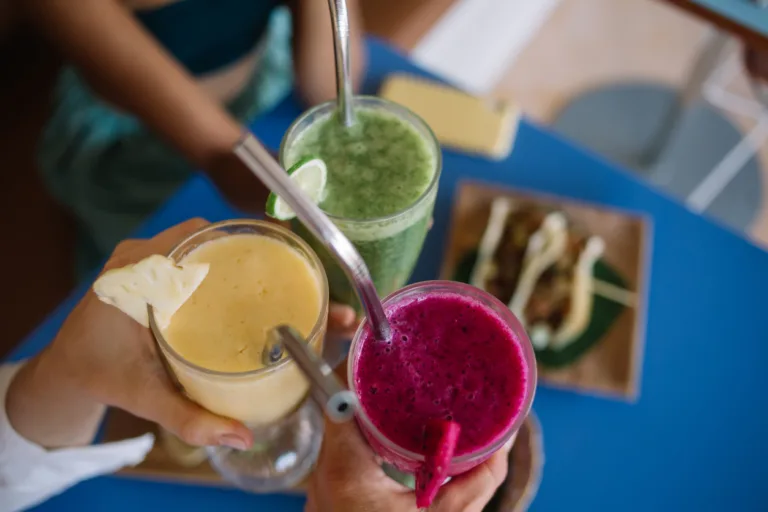
Functional beverages are growing because guests want drinks that support hydration, energy, digestion, or lower alcohol consumption without feeling like an afterthought.
Current foodservice coffee and tea trends include matcha, cold brew, iced tea, chai, herbal tea, yerba mate, and drinks with customizable sweetness. Operators are also seeing demand for low- and no-alcohol options like alcohol-free beer, botanical spritzes, low-sugar mocktails, kombucha-based drinks, and sparkling water with herbs, citrus, or tea. Lower-sugar, add-ins, or seasonal flavors in natural energy drinks can also fit this shift, feeling premium without complicating prep.

Gut-friendly ingredients can add wellness cues while bringing flavor, texture, and variety to the menu.
Operators don’t need a separate healthy menu to respond to current trends in the foodservice industry. Many can start by adjusting existing items and choosing ingredients that work across multiple dishes.
Start with existing menu items:
Choose cross-functional ingredients:
Using the same ingredients across multiple dishes can help control prep, simplify ordering, and reduce food waste.
Clean-label, allergen-friendly, and transparent menus are shaping the foodservice industry by helping guests understand what they’re ordering and choose items that fit their needs. These healthy food trends for foodservice don’t mean every item has to be free from major allergens. They mean operators should make ingredient, sourcing, and preparation details easier to find and understand.
Local and regional sourcing can support freshness, seasonal variety, supplier storytelling, and menu differentiation without requiring a full menu redesign. Working with local and regional partners can also help operators evaluate availability, consistency, and fit before adding new items.
Foodservice distributors help businesses capitalize on healthier menu trends by connecting operators with products, suppliers, and availability data, making it easier to source and scale new items. As trends in the foodservice distribution industry shift toward flexibility, transparency, and sourcing support, procurement and distribution partners can help operators test trend-aligned products without adding unnecessary complexity.
Operators should test health trends for guest reaction, ingredient availability, prep complexity, margin goals, and existing menu structure.
Before adding a new item, evaluate:
Limited-time offers can help operators test demand before making permanent menu changes. Start with items that are easy to source, simple to prep, and flexible enough to promote, such as a functional iced tea, protein-forward bowl, seasonal produce side, or low- and no-alcohol beverage feature.
Foodservice health trends work best when they connect to sourcing, pricing, distribution, labor, and guest expectations. Foodbuy Foodservice can support operators with procurement, culinary consulting, local and regional partners, flexible distribution, and foodservice technology that helps turn menu ideas into workable plans.
Connect with Foodbuy Foodservice to discuss menu development, sourcing support, or culinary consulting for your operation.
Functional menu planning is one of the biggest shifts. Operators are adding wellness cues across the menu through functional beverages, protein-forward bowls, gut-friendly ingredients, cleaner labels, and more transparent menu descriptions.
Watch for functional beverages, gut-friendly ingredients, protein-forward meals, healthier comfort foods, clean-label menus, local sourcing, and cross-functional ingredients. These trends give operators ways to add wellness-focused options without rebuilding the full menu.
Start with dishes already on the menu. Restaurants can add vegetable sides, offer grilled proteins, use whole grains where practical, serve sauces on the side, and choose ingredients that work across multiple dishes.
Matcha, cold brew, iced tea, herbal tea, yerba mate, kombucha, low- and no-alcohol drinks, and lower-sugar energy drinks are all gaining traction. Operators can make these easier to execute by using unsweetened bases, seasonal flavors, and customizable sweetness.
They can help operators find products, compare supplier options, manage availability, and plan items that fit sourcing, cost, labor, and margin needs. This support can make it easier to test healthier items without adding unnecessary menu or purchasing complexity.